
Lahore – Complete Travel Guide to Pakistan’s Cultural & Historical Capital
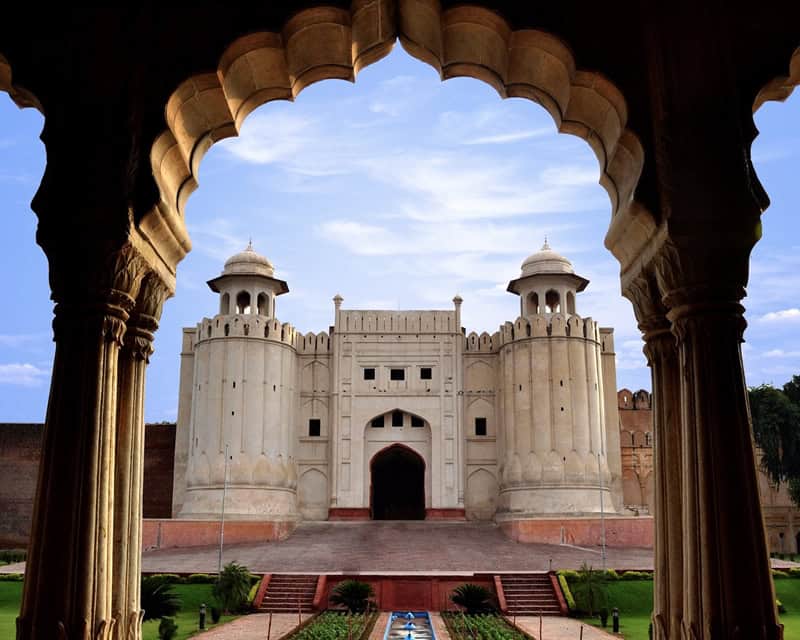
Lahore, the capital of Punjab and the second-largest city of Pakistan, is widely known as the cultural heart of the country. Located on the banks of the Ravi River near the India–Pakistan border, Lahore Pakistan has served as a major center of politics, culture, architecture, and education for over a thousand years. From Mughal emperors and Sikh rulers to British colonial administrators and leaders of the Pakistan Movement, Lahore has shaped regional history at every stage.
Today, Lahore is one of the most visited cities in Pakistan, famous for its historical landmarks, Mughal architecture, vibrant bazaars, food culture, parks, museums, and modern shopping districts. For travellers searching for “places to visit in Lahore” or “historical places in Lahore Pakistan,” the city offers an unmatched combination of heritage and modern attractions.
Ancient Origins of Lahore
The history of Lahore dates back over a millennium. Traditional accounts link Lahore to Lav, son of Lord Rama, though archaeological evidence confirms settlement during early medieval times. Lahore rose to prominence under the Ghaznavid Empire in the 11th century when Mahmud of Ghazni made it a strategic regional center. Later, Lahore became an important city under the Delhi Sultanate, serving as a gateway between Central Asia and the Indian subcontinent.
Mughal Lahore – The Golden Age of Architecture
Lahore reached its peak during the Mughal Empire (1524–1739), when emperors Akbar, Jahangir, Shah Jahan, and Aurangzeb transformed it into one of the grandest cities in the world.
Lahore Fort (Shahi Qila)
The Lahore Fort, a UNESCO World Heritage Site, was expanded by Emperor Akbar in the 16th century. Later additions by Shah Jahan introduced marble palaces such as:
- Sheesh Mahal
- Naulakha Pavilion
- Diwan-e-Khas
- Moti Masjid
The fort represents Mughal military and residential architecture.
Badshahi Mosque
Built by Emperor Aurangzeb in 1673, Badshahi Mosque is among the largest mosques in the world. The mosque symbolizes Mughal religious architecture and remains a major attraction for tourists visiting Lahore.
Shalimar Gardens
Constructed by Shah Jahan in 1641, Shalimar Gardens reflect Persian-inspired Mughal garden design. The terraces and fountains demonstrate advanced Mughal hydraulic engineering.
Wazir Khan Mosque
Located in the Walled City, Wazir Khan Mosque is famous for its tile work and frescoes. It represents Lahore’s importance as an artistic center during Mughal rule.
Sikh Empire – Lahore Under Maharaja Ranjit Singh
After Mughal decline, Lahore became the capital of the Sikh Empire under Maharaja Ranjit Singh. His rule (1799–1839) marked Lahore’s political revival.
Important Sikh-era landmarks include:
- Samadhi of Maharaja Ranjit Singh
- Hazuri Bagh Baradari
- Sikh-era modifications to Lahore Fort
Ranjit Singh made Lahore the administrative and military center of Punjab.
British Colonial Lahore
The British annexed Punjab in 1849 and transformed Lahore into an administrative and educational hub.
Colonial Landmarks
- Lahore Museum (1894)
- Government College University
- Lahore High Court
- Punjab University Old Campus
- Mall Road colonial buildings
These structures reflect Victorian and Indo-Saracenic architecture.
Lahore & The Pakistan Movement
Lahore played a pivotal role in the creation of Pakistan.
Minar-e-Pakistan
Minar-e-Pakistan marks the site where the Lahore Resolution was passed in 1940, leading to the demand for Pakistan.
Allama Iqbal’s Tomb
Located near Badshahi Mosque, this mausoleum honors philosopher Allama Iqbal, whose ideas inspired the Pakistan Movement.
Walled City of Lahore
The Walled City is the historic core of Lahore featuring gates such as:
- Delhi Gate
- Bhatti Gate
- Kashmiri Gate
- Mochi Gate
The area contains:
- Traditional bazaars
- Historic havelis
- Food Street Lahore
- Delhi Gate heritage route
Religious Landmarks in Lahore
Lahore reflects religious diversity:
- Data Darbar (Sufi shrine)
- Sacred Heart Cathedral
- Gurdwara Dera Sahib
- Krishna Mandir
- Suneri Mosque
Modern Lahore – Shopping & Entertainment
Modern Lahore offers contemporary attractions.
Shopping Malls
- Emporium Mall
- Packages Mall
- Fortress Square
- Mall of Lahore
- Amanah Mall
Markets
- Liberty Market
- Anarkali Bazaar
- Ichra Bazaar
Parks & Gardens – City of Gardens
Lahore is known for its greenery:
- Jilani Park
- Bagh-e-Jinnah
- Model Town Park
- Greater Iqbal Park
- Lahore Safari Park
Museums & Cultural Institutions
- Lahore Museum
- National College of Arts
- Alhamra Arts Council
- Fakir Khana Museum
Food Capital of Pakistan
Lahore is famous for:
- Gawalmandi Food Street
- Lakshmi Chowk
- MM Alam Road
- Anarkali Food Street
Why Lahore is Important in World History
Lahore influenced:
- Mughal architecture across South Asia
- Sikh Empire politics
- British colonial administration
- Pakistan independence movement
Best Time to Visit Lahore
Best months:
- October to March (pleasant weather)
- February (spring season)
- March (cultural festivals)
Conclusion – Why Lahore is a Must Visit
Lahore Pakistan is a city where history, culture, and modern life coexist. From Mughal monuments to modern malls, Lahore offers something for every traveller. Whether exploring historical landmarks in Lahore or enjoying its food and culture, the city remains one of South Asia’s most fascinating destinations.
Ready to make this trip a reality?
Our travel experts are ready to plan your perfect trip. WhatsApp us and we'll get back to you within the hour.
Chat on WhatsApp